1. Authorized Retail: Framing Your Purchase Decision

Your choice of retail channel sets the foundation for a watch's long-term performance and value. A buyer might find the same model at an authorized boutique and a secondary market seller, but the transaction details and future support differ.
Purchasing from an authorized retailer, such as a brand boutique or an official partner, provides a complete and documented ownership history from day one. This framework supports the watch's integrity over decades.
The Documentation Framework
Authorized channels supply specific paperwork that authenticates your purchase and secures future service. While policies can differ, you can generally expect:
- A dated, stamped warranty card matching the watch's serial number.
- An official sales receipt from the authorized retailer.
- Full presentation, including the manufacturer's box and literature.
This documentation is not just for records. It is the key to accessing the manufacturer's international warranty and official service centers. A missing or invalid warranty card can limit service options later.
Understanding Channel Trade-offs
Secondary markets, including reputable pre-owned dealers and private sales, offer different advantages and considerations. The table below outlines typical expectations.
| Channel | Typical Price | Documentation | Service Access |
|---|---|---|---|
| Authorized Boutique / Retailer | Manufacturer's retail price | Full set: valid warranty, dated receipt | Full manufacturer warranty & service |
| Certified Pre-Owned Program | Premium over grey market | Brand-certified, often with new warranty | Brand-backed service and warranty |
| Established Grey Market Seller | Below retail price | Varies; warranty may be third-party | May require independent service initially |
Grey market watches are often new and unused but sourced outside official distribution. They may come with a seller's warranty instead of the manufacturer's. This can affect the first service interval, as brand service centers might require validation of the warranty.
The Long-term Perspective
Initial savings on the secondary market can be offset by future costs or complications. An authorized purchase builds a clear provenance, which is a factor for collectors and affects resale value. For a watch you plan to keep and wear, the assurance of direct brand service from the start supports its mechanical longevity.
Your decision balances immediate availability and cost against documented authenticity and guaranteed service access. The authorized retail path provides a predictable framework for the lifetime of the watch.
2. Authorized vs. Parallel Trade: Facts on Service Eligibility
The long-term performance and care of a luxury watch hinge on access to proper service, a key area where the purchase channel makes a tangible difference. Authorized retailers and parallel trade sources offer distinct paths to ownership, each with specific implications for warranty coverage and future maintenance.
Purchasing from an official brand-authorized retailer provides a complete and documented ownership experience from the outset. This includes:
- Valid International Warranty: The watch is registered with the manufacturer, activating a full warranty period that is honored globally at any official service center.
- Guaranteed Authenticity: The retailer's status ensures every component is genuine and meets the brand's exacting standards.
- Complete Documentation: You receive all original papers, including a dated and stamped warranty card, which serves as the passport for all future service.
Parallel trade, often called the grey market, involves watches sourced from unauthorized dealers or other markets and sold at a discount. While the watches themselves are typically authentic, the transaction exists outside the brand's official distribution network. This creates several important trade-offs regarding service.
| Purchase Channel | Typical Warranty Status | Access to Brand Service Centers |
|---|---|---|
| Authorized Retailer | Full, activated international warranty. | Full access for warranty and paid service. |
| Parallel Trade (Grey Market) | Often invalid, expired, or a third-party warranty. | Access for paid service only, often after authentication. |
Without a valid, activated warranty card from an authorized point of sale, the manufacturer's complimentary service period does not apply. Brand service centers will still generally accept a genuine watch for maintenance, but all work will be chargeable from day one. Some centers may also require additional steps to verify authenticity before commencing work.
For pre-owned watches, Certified Pre-Owned (CPO) programs from authorized networks have become a critical benchmark. These programs involve a rigorous multi-point inspection and refurbishment by brand technicians, and they typically issue a new warranty from the brand or authorized dealer. This effectively resets the service relationship, offering peace of mind similar to a new purchase from an authorized channel.
The decision between channels often balances initial cost savings against long-term security and convenience. A watch from the grey market may offer immediate value, but the owner assumes responsibility for all future service costs and must manage the service relationship independently. In contrast, the authorized path, whether for new or certified pre-owned, includes the warranty as a form of insurance, ensuring direct and supported access to the manufacturer's care for years to come.
3. Certified Pre-Owned: Inspection and Warranty Coverage
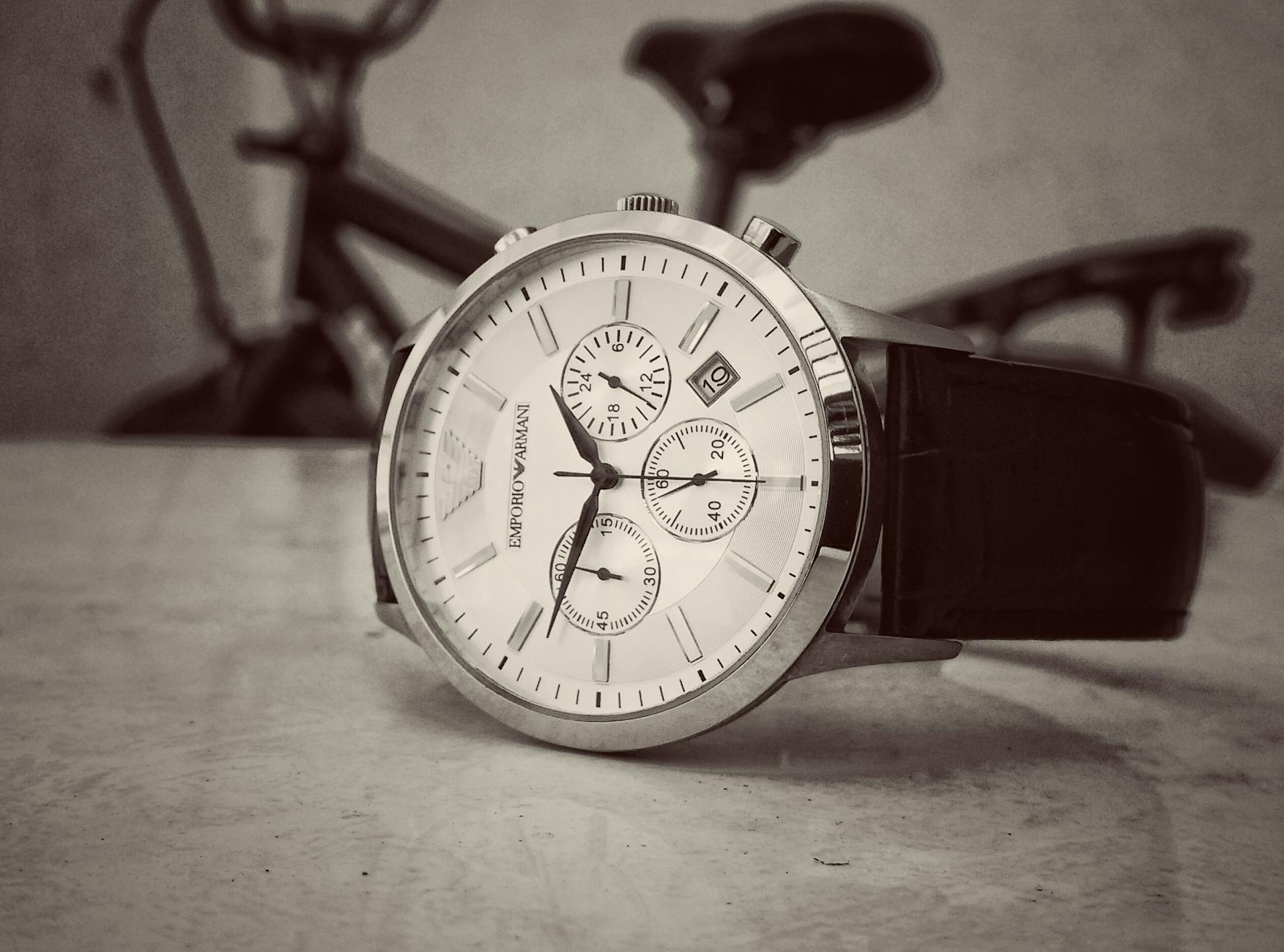
For buyers seeking a timepiece with established provenance, certified pre-owned (CPO) programs from reputable resellers offer a structured and reliable path. These programs bridge the gap between a new purchase from an authorized dealer and the unverified secondary market, providing a critical layer of security through rigorous inspection and formal warranty coverage.
The cornerstone of any credible CPO offering is its authentication and inspection protocol. A trusted reseller will subject a watch to a multi-point examination conducted by expert watchmakers. This process typically includes:
- Mechanical Verification: A full assessment of the movement's function, accuracy, and power reserve.
- Case and Bracelet Inspection: Careful evaluation for authenticity, condition, and signs of prior refinishing.
- Dial and Hands Examination: Scrutiny for originality and any imperfections.
- Water Resistance Testing: Verification that the watch meets its specified rating.
- Documentation Review: Confirmation that all accompanying papers, such as the original warranty card and box, are genuine and match the watch.
Only after passing each checkpoint does a watch earn its certified status. This documented diligence is what differentiates a CPO piece from a standard pre-owned sale.
The second pillar of a CPO program is the warranty. A reseller-backed warranty, often for one to two years, provides tangible peace of mind. It covers mechanical failures that arise under normal use, protecting the buyer from unexpected repair costs shortly after purchase. This warranty is a direct commitment from the seller, separate from any expired manufacturer's warranty. It signals the seller's confidence in the watch's condition and their willingness to stand behind the product.
Editorial Insight: A key consideration is understanding the scope of coverage. A CPO warranty from a reseller is not identical to a brand's international warranty from an authorized dealer. It typically covers internal mechanical issues but may exclude cosmetic wear, accidental damage, or battery replacement. Always review the warranty terms in detail to know exactly what is and is not protected.
When evaluating a CPO purchase, buyers should confirm the specifics of both the inspection and the warranty. Reputable sellers transparently outline their certification criteria and provide a warranty document. This approach offers a balanced proposition: access to a wider selection of models and potential cost savings compared to new retail, backed by a systematic quality assurance process that mitigates the inherent risks of the secondary market.
4. Authentication: Identifying Red Flags in Listings

For buyers conducting due diligence, a watch listing itself can reveal critical information about a piece's authenticity and provenance. Learning to spot common red flags is a key skill for any collector or enthusiast. These warning signs often relate to the seller's presentation, the completeness of the item, and the plausibility of the offer against established market and brand norms.
One of the most telling areas is the documentation, or lack thereof. Authentic watches from authorized channels come with specific, serialized paperwork. Be cautious of listings that:
- Show generic warranty cards without a matching serial number or an authorized dealer stamp.
- Claim the watch is "brand new" but lacks the original box, papers, hang tags, and protective plastics.
- Feature documentation with spelling errors, low-quality printing, or incorrect model references.
The photography and description also warrant close inspection. High-resolution, clear images from multiple angles are standard for legitimate sellers. Listings that use only stock photos, blurry images that obscure details like the serial number between the lugs, or avoid showing the movement through the case back can be problematic. Descriptions that are overly vague, use hyperbolic marketing language unrelated to the brand's official terminology, or make unrealistic promises about future value should raise questions.
Pricing is another significant indicator. While the secondary market fluctuates, a price that seems too good to be true often is. A listing priced substantially below the established market rate for a comparable model, condition, and set of accessories should prompt further investigation into the seller's reputation and the piece's history. This is distinct from competitive pricing from reputable grey-market sellers, who are typically transparent about the lack of a manufacturer's warranty.
Expert Insight: A consistent theme among problematic listings is a story that doesn't align with brand practices. For instance, a seller claiming a watch is "direct from the factory" or "overstock" contradicts how luxury watch manufacturers distribute their products exclusively through their retail networks. Authentic transactions have a clear, logical chain of custody from an authorized retailer to the end user.
Finally, scrutinize the seller's history and policies. Established platforms with verification services add a layer of security, but buyer diligence remains essential. Check seller ratings, review history, and return policies. Sellers who pressure for off-platform payments, refuse secure escrow services, or are evasive about a watch's service history are best avoided. A trustworthy seller will provide clear answers and additional photos upon request.
By methodically checking these elements—documentation, imagery, description, price, and seller credibility—you build a more complete picture before committing to a purchase. This process helps separate legitimate opportunities from listings that may compromise on authenticity or long-term value.
5. Documentation and Buyer Checklist for Orderly Resale
Preserving the long-term value of a luxury watch hinges on maintaining a complete and orderly set of documentation from the moment of purchase. This paperwork serves as the official biography of the timepiece, providing tangible proof of its provenance, care, and authenticity to future buyers and service centers. A watch with a well-documented history typically commands a stronger position in the pre-owned market and facilitates a smoother, more credible transaction.
The cornerstone of this archive is the original purchase invoice from an authorized retailer. This document should clearly state the model reference, serial number, date of sale, and the retailer's official stamp. It is the primary evidence that the watch entered the market through legitimate channels. Alongside this, retain the warranty card, fully completed and stamped. This card is your formal link to the manufacturer's international service network for the warranty period.
A detailed service history is equally critical. Each time the watch undergoes maintenance or repair by an authorized service center, you should receive a detailed receipt or work order. These records should note the date, the work performed, any parts replaced, and the service center's details. A consistent service history demonstrates responsible ownership and can reassure a potential buyer about the mechanical integrity of the watch.
For buyers, a systematic approach to verifying and storing this information is key. Use this checklist as a guide when acquiring a watch and for maintaining its records:
- At Purchase: Secure the original, stamped sales invoice and a fully completed, stamped warranty card. Verify the model and serial numbers on these documents match the watch exactly.
- Ongoing: File all service receipts, certificates of authenticity (for special editions), and any original packaging or accessories in a dedicated, secure folder.
- For Resale Preparation: Organize all documents chronologically. Create clear digital scans or photographs of the key paperwork and the watch itself, showing its current condition alongside the serial number.
Watches sourced through non-authorized channels, such as the parallel market, often lack this full suite of brand-recognized documentation. While they may come with a seller's invoice, the absence of an authorized retailer stamp or a properly activated warranty can introduce uncertainty for future buyers, potentially affecting resale value and ease of sale. The most straightforward and secure path to building a robust documentation portfolio remains an initial purchase from an authorized source. A complete historical file transforms a watch from a mere object into a verifiable asset with a clear and respected lineage.
6. Questions & Expert Insights
What paperwork should I keep to protect my purchase?
The critical documents are the original invoice, the warranty card, and any service papers. Keep these together in a safe place. The original invoice from an authorized retailer is the primary proof of purchase and ownership. It should match the watch's serial number and the date of sale. The warranty card, properly filled out and stamped by the retailer, is required to activate the manufacturer's international warranty. Without it, you may face challenges getting service covered, even for a genuine watch. Service papers from official service centers document the watch's maintenance history, which supports its authenticity and can affect its long-term value. Digital copies are a good backup, but physical originals are often requested for verification.
If a listing omits details about warranty transfer, what does that signal?
This is a major red flag that warrants caution. A legitimate seller of a pre-owned watch with a valid, transferable warranty will typically highlight this as a key selling point. Omission often suggests the warranty is inactive, void, or non-transferable. This can happen if the watch was originally purchased through a grey-market dealer, if the warranty card was not properly completed at the point of sale, or if the watch has been serviced outside the official network. A missing or void warranty means you, as the next owner, bear the full cost of any repairs from day one. Before proceeding, you must ask the seller for clear photos of the complete, stamped warranty card and verify its active status directly with the brand's client services using the serial number.
How do authorized channels differ from secondary markets on service eligibility?
Authorized retailers and the brand's own boutiques provide a full package: a new watch with a complete, activated international warranty and unambiguous eligibility for future service. Secondary markets, including reputable pre-owned dealers and private sales, introduce variables. Here, service eligibility depends entirely on the condition of the watch and the completeness of its documentation. Official service centers reserve the right to refuse service to watches with non-original parts, signs of prior unauthorized repair, or questionable provenance. They may also require more rigorous checks. While many pre-owned watches are serviced without issue, the process is less guaranteed than with a watch sourced directly from an authorized channel, where eligibility is never in question.
What specific questions should I ask a seller to verify documentation?
Focus on questions that require concrete evidence, not just assurances. First, ask for high-resolution photos of the actual documents, not stock images: the invoice showing the serial number and seller details, and every page of the warranty card, including the retailer stamp and date. Second, ask if the warranty is active and transferable, and request permission to verify this with the brand's client services. Third, inquire about the watch's service history. Ask if it has ever been serviced, and if so, whether it was by an official service center (request copies of those papers). Finally, ask why they are selling. While personal, a plausible reason can align with the overall story presented by the documentation. Inconsistent answers or reluctance to provide proof are clear warning signs.
7. References
- Rolex official website: Warranty and service policies.
- Consumer Reports: Guide to buying luxury watches.
- Federation of the Swiss Watch Industry: Standards for authentication.
- Better Business Bureau: Tips for avoiding counterfeit goods.